Rock Mountain Climbing: An Ultimate Guide to Adventure and Challenge
Rock mountain climbing stands as one of the most thrilling and demanding outdoor activities, drawing adventurers who seek not only physical challenge but also a profound connection with nature. This sport combines technical skill, mental resilience, and physical endurance to conquer rocky terrains and steep cliffs. Whether you’re a beginner or an experienced climber, understanding the essentials of rock mountain climbing is crucial to enjoy the experience safely and successfully. This article delves into the world of rock mountain climbing, covering its history, techniques, equipment, safety, and benefits.
The Origins and Evolution of Rock Climbing
Rock climbing has ancient roots, with early humans scaling cliffs for survival, hunting, or spiritual purposes. As a recreational activity, it gained popularity in the late 19th and early 20th centuries, particularly in Europe and North America. Pioneers explored natural rock formations, developing techniques and gear that laid the foundation for modern climbing.
Today, rock climbing has evolved into a highly specialized sport with various styles, including traditional climbing (trad), sport climbing, bouldering, and alpine climbing. Each style presents unique challenges and requires specific skills and equipment.
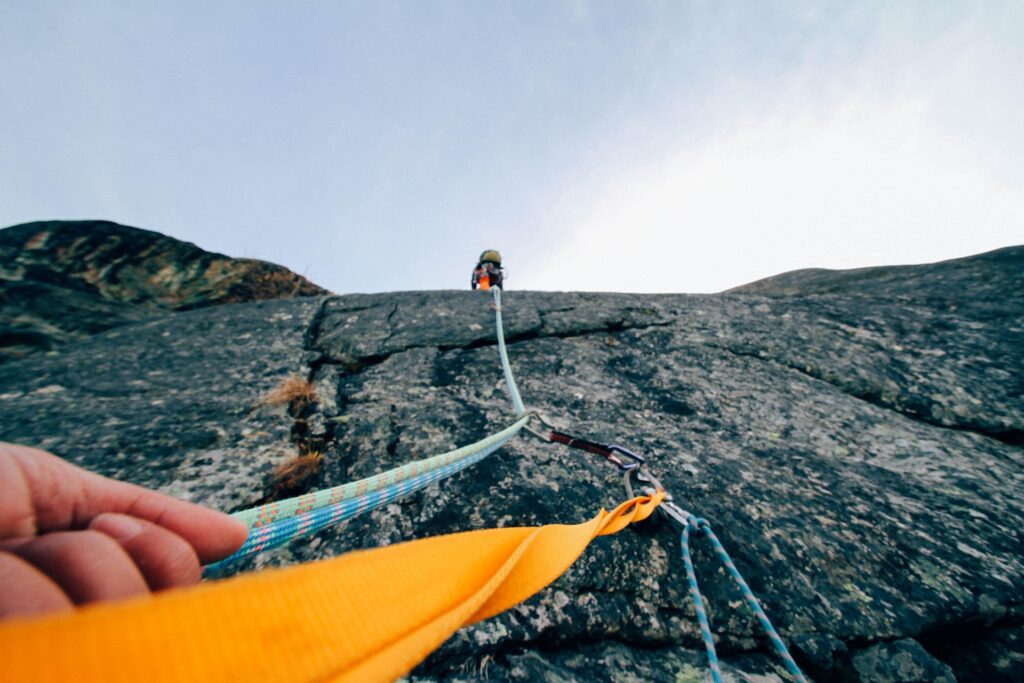
Types of Rock Mountain Climbing
Traditional Climbing:
Also known as trad climbing, this style requires climbers to place protective gear into cracks and crevices as they ascend. It demands a high level of skill in gear placement and route finding.
Sport Climbing:
In sport climbing, fixed anchors and bolts are already placed along the route, allowing climbers to clip their ropes for protection. This style focuses on physical strength and technique.
Bouldering:
Bouldering involves climbing shorter rock formations without ropes but with crash pads for safety. It emphasizes power, balance, and problem-solving skills.
Alpine Climbing:
This type combines rock climbing with mountaineering, often involving high altitudes, mixed terrain, and longer expeditions.
Essential Techniques for Rock Climbing
Successful rock climbing requires mastering several key techniques. Proper footwork is fundamental; climbers must use the edges and smudges of their shoes to maintain balance and conserve energy. Handholds vary from crimps and jugs to slopers and pockets, each requiring different grip strength and positioning.
Body positioning and movement are equally important. Climbers use their hips, knees, and core to shift weight efficiently and maintain stability. Techniques such as mantling, stemming, and layback help navigate complex routes.
Belaying, rappelling, and knot-tying are critical safety skills, ensuring climbers can protect themselves and their partners from falls.
Equipment: Your Climbing Arsenal
Having the right gear is essential for safety and performance. Basic equipment includes climbing shoes designed for grip and precision, harnesses to secure climbers to ropes, and helmets for protection against falling debris.
For trad and sport climbing, climbers use ropes, carabiners, quickdraws, cams, nuts, and slings to create secure anchor points. Chalk bags help keep hands dry for better grip, while crash pads are vital for bouldering.
Advancements in technology have led to lighter, stronger, and more durable gear, enhancing safety and comfort on the rock.
Safety Considerations
Rock climbing carries inherent risks, including falls, rockfall, and weather changes. Proper training, experience, and equipment use are critical to minimizing dangers.
Climbers should always perform thorough safety checks, communicate clearly with partners, and be prepared for emergencies. Understanding weather patterns, carrying navigation tools, and having a first-aid kit are also important.
Many climbers take courses from certified instructors to learn safe techniques and rescue skills before venturing into more challenging terrain.
Physical and Mental Benefits
Rock climbing is a full-body workout that builds strength, endurance, flexibility, and balance. It engages muscles often neglected in traditional workouts and improves cardiovascular health.
Mental benefits include enhanced problem-solving skills, increased focus, and stress relief. The need for concentration teaches mindfulness, while overcoming difficult climbs boosts confidence and resilience.
Popular Rock Climbing Destinations
Some of the world’s best rock climbing spots attract climbers from all over. Yosemite National Park in the USA is famous for its big wall climbs like El Capitan. The Dolomites in Italy offer breathtaking alpine climbing. Beach is renowned for sport climbing on stunning limestone cliffs.
Each destination provides unique challenges and scenic beauty, making rock climbing a global community of adventurers.
Getting Started
For beginners interested in rock climbing, starting at an indoor climbing gym is a great way to learn fundamentals in a controlled environment. Many gyms offer classes on technique, safety, and equipment use.
Joining local climbing clubs or finding experienced partners can provide guidance and support. As skills develop, outdoor climbing under supervision is the next step.
Conclusion
Rock mountain climbing is a rewarding pursuit that combines physical challenge, mental sharpness, and a deep appreciation of nature’s grandeur. Whether seeking personal growth, fitness, or adventure, climbing offers something for everyone willing to embrace its demands and rewards.
By understanding the history, techniques, safety, and equipment involved, climbers can embark on their journeys with confidence and respect for the mountains. Ultimately, rock climbing is more than a sport—it’s a lifelong passion that pushes boundaries and connects people to the earth and themselves.
