Mountaineering: The Ultimate Adventure into the World’s Highest Peaks
Mountaineering, also known as alpinism, is an exhilarating and challenging outdoor activity that involves ascending mountains using a combination of hiking, climbing, and sometimes technical skills. It is considered one of the purest forms of adventure, combining physical endurance, mental toughness, and a deep connection with nature. For many, mountaineering is not just a sport but a profound journey of self-discovery and a test of human limits.
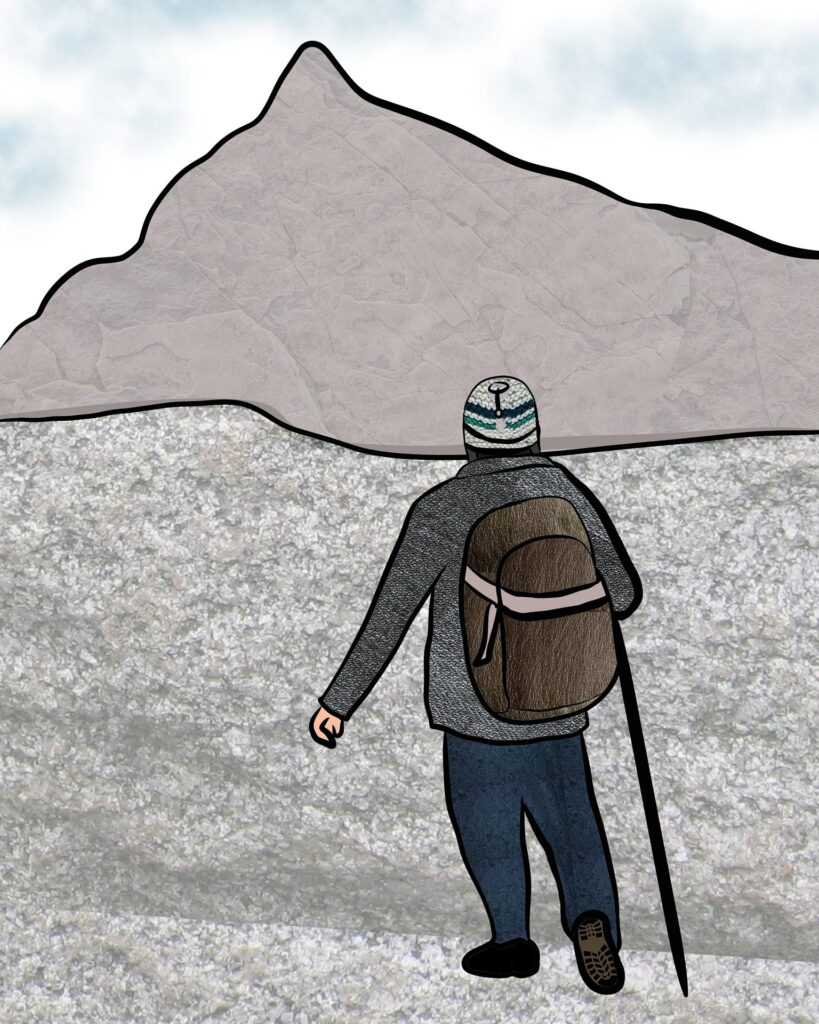
The History and Evolution of Mountaineering
The roots of mountaineering trace back centuries, with early explorers and locals scaling peaks for exploration, ritual, or subsistence. However, the formal pursuit of mountaineering as a sport began in the late 18th and early 19th centuries, particularly in the European Alps. The first recorded ascent of Mont Blanc in 1786, often considered the birth of modern mountaineering, inspired many to explore the high mountains.
Since then, mountaineering has evolved with advances in equipment, techniques, and knowledge. From traditional rope teams and ice axes to modern synthetic apparel, GPS devices, and weather forecasting, the sport has grown safer and more accessible. Yet, it still demands respect for nature’s unpredictability and requires rigorous preparation.
The Physical and Mental Challenges
Mountaineering is physically demanding. Climbers face long hours of trekking over difficult terrain, often at high altitudes where oxygen levels are significantly lower. This can lead to altitude sickness, fatigue, and dehydration. Strength, cardiovascular fitness, and stamina are essential to endure harsh environments, carry heavy loads, and navigate technical climbs.
Mental resilience is equally critical. Climbers must stay focused, manage fear, and make quick decisions in potentially dangerous situations. The isolation and exposure to extreme weather can test a person’s psychological limits. Successful mountaineers develop strong problem-solving skills, patience, and the ability to remain calm under pressure.
Essential Skills and Techniques
Mountaineering requires a diverse skill set. Basic hiking and navigation are the foundation, but depending on the mountain and route, climbers might need to master:
- Rock Climbing:
Using hands and feet to ascend rocky surfaces.
- Ice Climbing:
Employing ice axes and crampons on frozen slopes and glaciers.
- Crevasse Rescue:
Techniques to safely extract a climber who has fallen into a glacier crevasse.
- Rope Work:
Proficiency in knots, belaying, rappelling, and setting anchors.
- Weather Assessment:
Understanding mountain weather patterns to avoid hazards.
Training in a controlled environment, such as climbing gyms or guided expeditions, is highly recommended before attempting high-altitude climbs.
Equipment and Gear
Proper gear is vital for safety and success in mountaineering. Essential equipment includes sturdy boots, layered clothing for varying temperatures, helmets, harnesses, ropes, ice axes, crampons, and backpacks stocked with food, water, and emergency supplies. Technological advancements have improved the durability and functionality of gear, but the right equipment depends on the specific mountain and conditions.
Planning for the right gear involves research and consultation with experienced climbers or guides. Overpacking can weigh you down, while under packing can expose you to risks.
Popular Mountaineering Destinations
The world offers countless peaks for mountaineers of all skill levels. The Himalayas, home to Everest—the highest mountain on Earth—are the ultimate challenge for many climbers. The Alps in Europe provide accessible routes with stunning landscapes and historical significance. North America’s Rocky Mountains and the Andes in South America also attract adventurers seeking diverse terrains and climates.
Each region has its unique challenges and cultural experiences, enriching the mountaineering journey beyond the physical climb.
Safety Considerations
Mountaineering carries inherent risks, including avalanches, rockfalls, extreme weather, altitude sickness, and falls. Preparation is the best defense. Climbers should undergo medical checkups, receive training, and acclimatize properly. It is essential never to climb alone and to inform others of your plans.
Hiring experienced guides and using reliable communication devices can increase safety. Understanding and respecting your limits is crucial to prevent accidents.
The Rewards of Mountaineering
Despite the challenges, mountaineering offers unparalleled rewards. Reaching a summit instills a profound sense of accomplishment and humility. The breathtaking views, the tranquility of remote wilderness, and the camaraderie among climbers create unforgettable memories.
Many mountaineers speak of the sport’s ability to teach resilience, patience, and a deeper appreciation for the natural world. It fosters physical health, mental strength, and lifelong friendships.
Conclusion
Mountaineering is a demanding but deeply enriching pursuit that tests human endurance, skill, and spirit. Whether you aspire to conquer famous peaks or enjoy peaceful mountain trekking, preparation is key. Understanding the history, challenges, techniques, and safety measures will help you embark on your journey confidently and responsibly.
In the end, mountaineering is more than climbing a mountain—it’s a journey of discovery, adventure, and connection with the awe-inspiring beauty of our planet.
