The Rise, Challenges, and Future of England Football
England football holds one of the most storied and passionate traditions in world sports. With its origins deeply tied to the creation and spread of modern football itself, England remains both a pioneer and a powerhouse in the global game. From legendary clubs and iconic players to unforgettable triumphs and heartbreaking defeats, English football continues to inspire millions of fans worldwide. This article explores the history, culture, and future of England football — and what makes it one of the most followed football systems in the world.
A Brief History of English Football
Football, as we know it today, was codified in England in the mid-19th century. The formation of The Football Association (The FA) in 1863 marked the beginning of organized football. The FA created a standardized set of rules that separated football from rugby and led to the sport’s global growth.
The first official competition, The FA Cup, began in 1871–72 and remains the world’s longest-running football tournament. Its magic lies in the dream of “giant-killing” moments, where small clubs get the chance to conquer giants like Manchester United, Liverpool, or Arsenal.
English football also holds a special place in world history because it gave rise to countless football traditions — from league systems to club rivalries that fuel the sport’s unmatched atmosphere today.
England’s International Journey
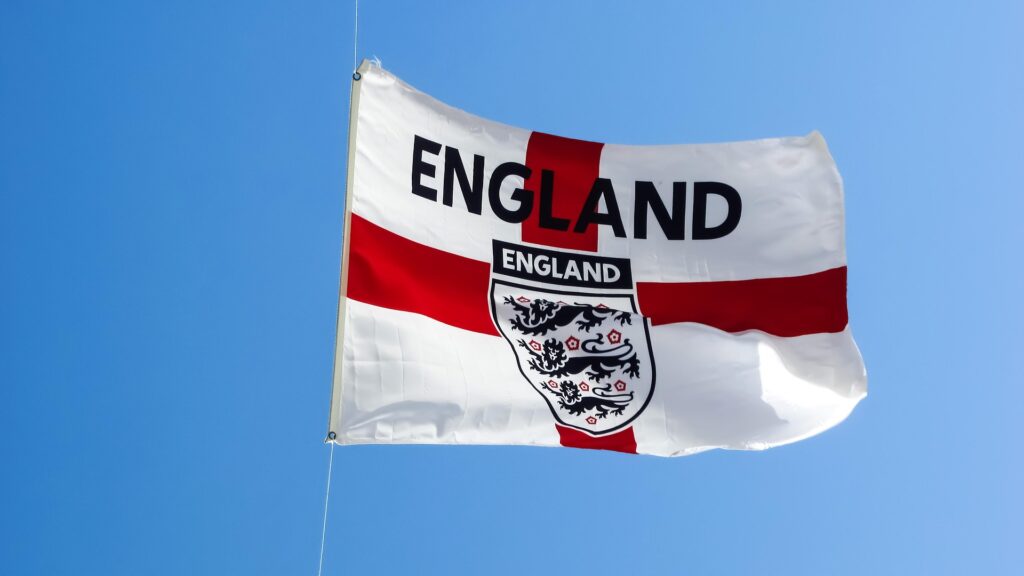
The England national football team, known affectionately as The Three Lions, played its first international match in 1872 against Scotland. The game ended 0–0, but it was the beginning of one of sport’s oldest rivalries. Over the decades, England’s national team has delivered both moments of pride and disappointment.
1966 World Cup Triumph
The highlight of England’s football history came in 1966, when the nation hosted and won its first — and so far, only — FIFA World Cup. Under manager Sir Alf Ramsey, England defeated West Germany 4–2 in the final at Wembley Stadium. The hero of the match, Geoff Hurst, remains the only player to score a hat-trick in a World Cup final. The famous phrase “They think it’s all over; it is now” still echoes in English football lore.
The Long Wait
Since that glorious win, England has struggled to replicate such success. Despite having generations of world-class talent — from Gary Lineker to David Beckham, Steven Gerrard, Frank Lampard, and more recently, Harry Kane — the team often fell short at major tournaments due to penalties, tactical issues, or sheer bad luck.
However, the past decade has marked significant progress. Under manager Gareth Southgate, England has rebuilt its identity around youth, modern football tactics, and mental resilience.
- 2018 World Cup (Russia): England reached the semi-finals, their best finish since 1990.
- Euro 2020: England finished as runners-up, losing to Italy on penalties at Wembley.
- 2022 World Cup (Qatar): The team reached the quarterfinals, falling to the eventual finalists, France.
These results show a clear evolution in England’s international competitiveness.
The Premier League: Global Football’s Gold Standard
Any discussion of England football would be incomplete without the Premier League, the top tier of English club football. Founded in 1992, the Premier League revolutionized the sport with its combination of heritage, global marketing, and competitive flair.
Today, it’s the most-watched league in the world, broadcast in over 200 countries. Clubs like Manchester United, Liverpool, Arsenal, Chelsea, Manchester City, and Tottenham Hotspur attract international fan bases and some of the world’s best players.
What Makes the Premier League So Special?
- Unpredictability:
Unlike some leagues dominated by one or two teams, the Premier League is known for its fierce competition. Even mid-table teams can surprise the big clubs, as seen in Leicester City’s 2016 title win — one of football’s greatest underdog stories. - World-Class Talent:
The league attracts stars from every corner of the globe. From Erling Haaland to Mohamed Salah, and Kevin De Bruyne, the Premier League showcases diverse playing styles and unmatched skill. - Passionate Fans:
English fans are famous for their loyalty, chants, and stadium atmospheres. Historic grounds like Anfield, Old Trafford, and Stamford Bridge remain the beating hearts of football culture. - Financial Power:
The Premier League’s broadcasting deals and sponsorships make it a financial juggernaut, contributing billions to the UK’s economy each year.
Youth Development and Grassroots Football
The FA has also invested heavily in grassroots football and the St George’s Park National Football Centre, located in Staffordshire. This state-of-the-art facility is where future stars train and where coaches learn cutting-edge techniques.
Modern English players are now more versatile, technically skilled, and mentally prepared for the global stage. Players like Jude Bellingham, Bukayo Saka, and Phil Foden represent a new generation that blends natural flair with tactical intelligence.
The Women’s Game in England
Women’s football in England has seen an incredible rise over the past decade. The Lionesses, England’s women’s national team, are now among the world’s elite. Their Euro 2022 win on home soil was a landmark moment, inspiring a new generation of female footballers.
The domestic Women’s Super League (WSL) continues to grow, with strong teams such as Chelsea Women, Arsenal Women, and Manchester United Women leading the way. The increased media coverage, sponsorship deals, and attendance numbers show that women’s football in England has a bright and sustainable future.
England Football’s Global Impact
From its humble beginnings to its global dominance, English football has shaped modern sports culture. The country exports not just players but ideas, tactics, and values that influence leagues and clubs worldwide. English managers, referees, and coaching systems have contributed immensely to developing football cultures abroad.
Thanks to international stars, global clubs, and innovative marketing, English football has become both a business and a brand. Social media, YouTube highlights, and fantasy football leagues have made it possible for fans in Asia, Africa, and the Americas to follow every match closely.
The Road Ahead: England’s Football Future
As England football looks ahead, the possibilities seem boundless. The combination of top-tier coaching, advanced analytics, and youth investment gives England a realistic shot at winning future international trophies.
The 2026 FIFA World Cup in North America could be another golden opportunity for the Three Lions to reclaim their throne on the world stage. The team’s blend of young stars and experienced leaders gives them a unique balance of energy and stability.
Conclusion
England football is more than just a sport — it’s a national identity, a cultural cornerstone, and a global phenomenon. From the bustling stadiums of London and Manchester to the local pitches where kids chase their dreams, football in England represents passion, history, and hope.
As fans chant and stadium lights shine every weekend, one thing remains certain: England football will always stand at the heart of the beautiful game, inspiring millions and shaping the sport’s future for generations to come.
