Natural Ways to Reduce Stress and Anxiety Without Medication
Stress and anxiety are common problems in modern life. Work pressure, financial concerns, family responsibilities, and constant exposure to digital devices can overwhelm both the mind and body. While medication may be necessary for some people, many natural methods can help reduce stress and anxiety safely and effectively.
This article explores proven natural ways to manage stress and anxiety, improve emotional balance, and promote overall well-being.
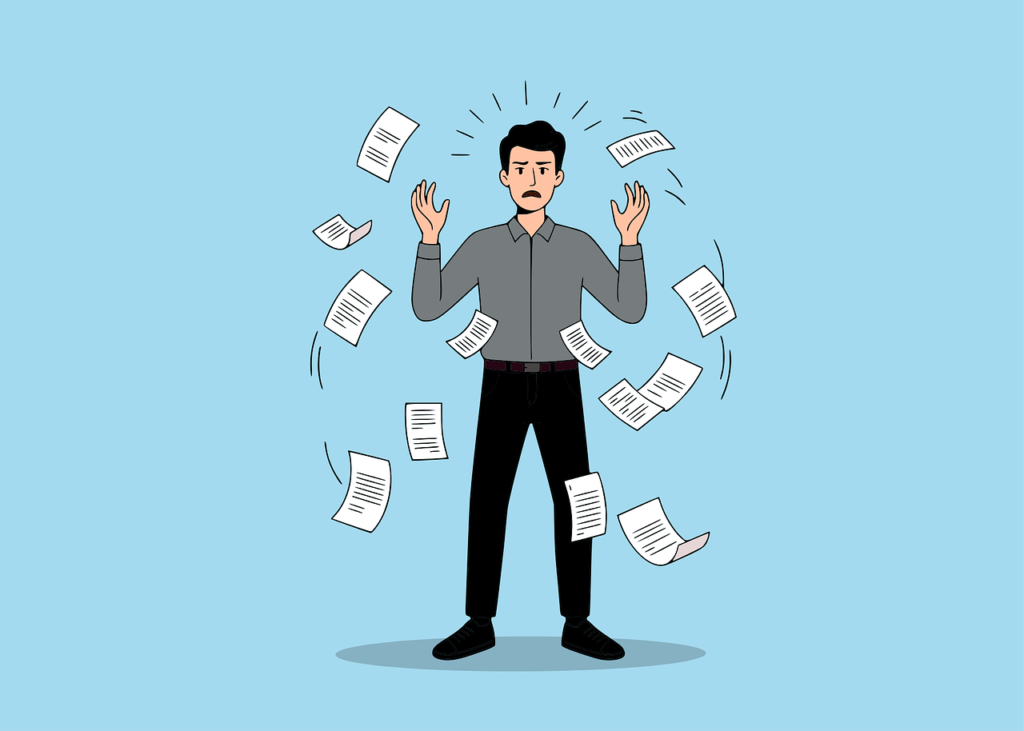
Understanding Stress and Anxiety
Stress is the body’s natural response to challenging situations. Anxiety is a feeling of fear, worry, or nervousness that may persist even without immediate danger. Occasional stress is normal, but chronic stress and anxiety can negatively affect physical and mental health.
Common symptoms include restlessness, rapid heartbeat, fatigue, difficulty concentrating, irritability, headaches, and sleep problems.
Managing stress naturally helps improve emotional balance, energy levels, and overall quality of life.
1. Practice Deep Breathing Exercises
Deep breathing calms the nervous system and reduces stress hormones. When you breathe slowly and deeply, your body enters a relaxed state.
How to practice:
-
Sit comfortably
-
Inhale deeply through your nose for 4 seconds
-
Hold for 4 seconds
-
Exhale slowly through your mouth for 6 seconds
Repeat for 5–10 minutes daily. This simple technique can quickly reduce anxiety and promote calmness.
2. Engage in Regular Physical Activity
Exercise is one of the most effective natural stress relievers. Physical activity releases endorphins, which improve mood and reduce tension.
Activities such as walking, jogging, yoga, swimming, or dancing can significantly lower stress levels. Aim for at least 30 minutes of movement daily.
Regular exercise also improves sleep quality, boosts confidence, and enhances emotional stability.
3. Practice Mindfulness and Meditation
Mindfulness and meditation help you focus on the present moment instead of worrying about the past or future. This mental clarity reduces anxiety and promotes relaxation.
Even 10 minutes of daily meditation can improve emotional regulation, concentration, and inner peace.
Simple mindfulness practices include observing your breathing, body sensations, and surrounding environment without judgment.
4. Improve Sleep Quality
Poor sleep increases stress and anxiety. Quality sleep allows your mind and body to recover from daily challenges.
Tips for better sleep:
-
Maintain a consistent sleep schedule
-
Avoid screens before bedtime
-
Reduce caffeine intake in the evening
-
Create a relaxing bedtime routine
Aim for 7–9 hours of restful sleep each night.
5. Eat a Balanced and Nutritious Diet
Nutrition plays a crucial role in emotional health. A healthy diet supports brain function and hormone balance.
Foods rich in omega-3 fatty acids, magnesium, and B vitamins help reduce anxiety. Include leafy greens, nuts, seeds, fish, whole grains, and fruits in your meals.
Limit processed foods, sugary snacks, and excessive caffeine, which can worsen anxiety symptoms.
6. Stay Hydrated
Dehydration can cause fatigue, headaches, and irritability, increasing stress levels. Drinking enough water supports mental clarity and emotional balance.
Aim for at least 6–8 glasses of water daily to stay refreshed and focused.
7. Connect with Supportive People
Social connection reduces feelings of isolation and emotional stress. Talking to trusted friends, family members, or support groups helps release emotional tension and gain perspective.
Sharing your feelings allows you to process emotions and feel understood.
8. Limit Social Media and Screen Time
Excessive screen exposure increases mental fatigue, comparison, and information overload. Limiting screen time helps reduce anxiety and improve focus.
Schedule regular digital breaks and spend more time on physical activities, hobbies, and relaxation.
9. Practice Gratitude Daily
Gratitude shifts focus from problems to positive aspects of life. Writing down three things you are grateful for each day improves mood and emotional stability.
This simple habit trains your mind to recognize positivity, reducing stress and anxiety over time.
10. Spend Time in Nature
Nature has calming effects on the mind. Spending time outdoors reduces stress hormones and improves emotional well-being.
Walking in parks, gardening, or simply sitting in sunlight promotes relaxation and mental clarity.
11. Engage in Relaxing Hobbies
Creative and enjoyable activities provide mental relaxation and emotional release. Reading, painting, music, cooking, or crafting help reduce tension and improve mood.
Hobbies allow your mind to disconnect from daily stress and focus on pleasure.
12. Practice Progressive Muscle Relaxation
This technique involves tensing and relaxing different muscle groups to release physical tension.
It improves body awareness and promotes deep relaxation, reducing both physical and emotional stress.
Final Thoughts
Managing stress and anxiety naturally requires consistent effort and healthy lifestyle choices. Small daily habits such as deep breathing, exercise, mindfulness, nutritious eating, and social connection can significantly improve emotional health.
You do not need to change everything at once. Start with one or two practices and gradually build a stress-management routine that suits your lifestyle. Over time, these natural methods will help you feel calmer, happier, and more emotionally balanced.
