The Complete Beginner’s Guide to Healthy Eating for Long-Term Wellness
Healthy eating is one of the most powerful ways to improve your overall health and well-being. What you eat directly affects your energy levels, mood, immune system, and long-term health. However, with so much confusing information online, many beginners feel overwhelmed and unsure about where to start.
This complete beginner’s guide will help you understand the basics of healthy eating, how to build balanced meals, and how to create sustainable habits for long-term wellness.
What Is Healthy Eating?
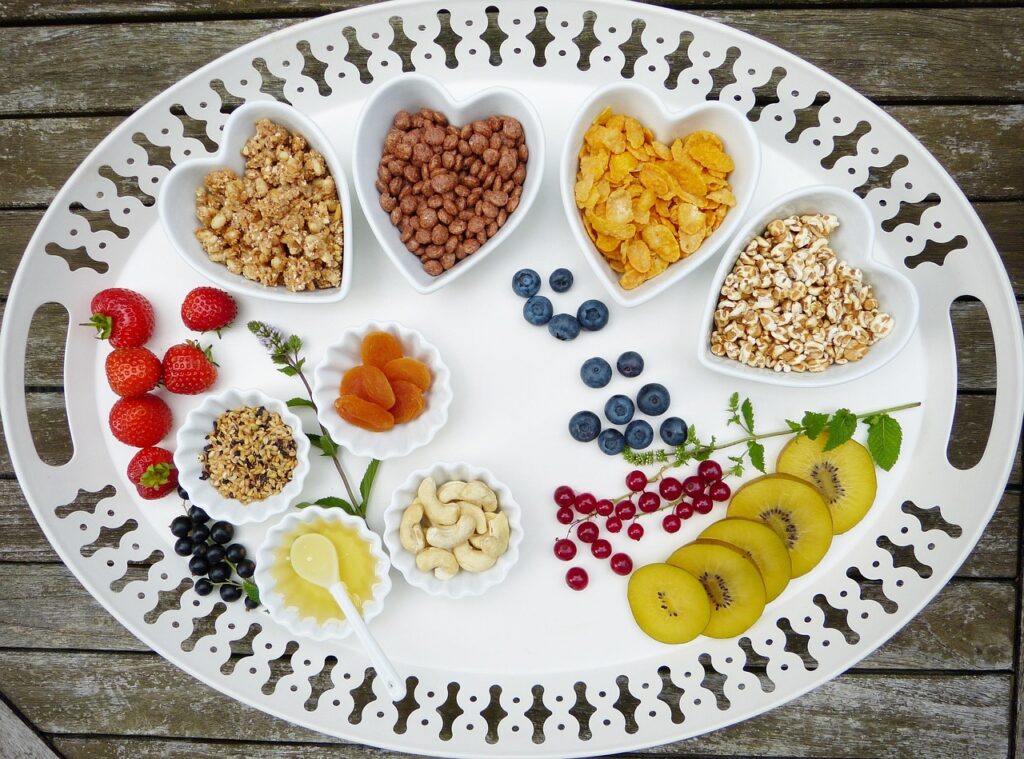
Healthy eating means consuming a balanced variety of foods that provide essential nutrients your body needs to function properly. These nutrients include carbohydrates, proteins, fats, vitamins, minerals, and water. A healthy diet focuses on whole, natural foods while limiting processed and sugary items.
Healthy eating is not about strict dieting or depriving yourself of your favorite foods. Instead, it is about making smarter choices that nourish your body and support long-term health.
Key Benefits of Healthy Eating
When you eat healthy, your body and mind experience many benefits, including:
-
Increased energy levels
-
Better digestion
-
Improved mood and mental clarity
-
Stronger immune system
-
Healthy weight management
-
Reduced risk of chronic diseases such as diabetes, heart disease, and obesity
These benefits make healthy eating an essential part of a balanced lifestyle.
Understanding the Main Food Groups
To create balanced meals, it is important to understand the main food groups:
1. Fruits and Vegetables
Fruits and vegetables are rich in vitamins, minerals, antioxidants, and fiber. They help protect against disease and improve digestion. Aim to include a variety of colors in your meals to get a wide range of nutrients.
Examples include apples, bananas, oranges, leafy greens, carrots, tomatoes, broccoli, and peppers.
2. Whole Grains
Whole grains provide energy and fiber, which support digestion and heart health. Unlike refined grains, whole grains retain their natural nutrients.
Examples include brown rice, oats, whole wheat bread, quinoa, and barley.
3. Protein Sources
Protein is essential for muscle growth, tissue repair, and immune function. Include both animal and plant-based protein sources in your diet.
Examples include eggs, fish, chicken, beans, lentils, tofu, nuts, and seeds.
4. Healthy Fats
Healthy fats support brain function, hormone production, and nutrient absorption. Focus on unsaturated fats and avoid excessive saturated and trans fats.
Good sources include avocados, olive oil, nuts, seeds, and fatty fish.
5. Dairy or Dairy Alternatives
Dairy products provide calcium and vitamin D, which support bone health. If you are lactose intolerant, choose plant-based alternatives such as almond milk or soy milk.
How to Build a Balanced Plate
A simple way to plan healthy meals is by using the balanced plate method:
-
Half of your plate: fruits and vegetables
-
One-quarter of your plate: protein
-
One-quarter of your plate: whole grains
Add a small amount of healthy fat and drink water with your meal. This approach ensures proper nutrient intake and portion control.
Healthy Eating Tips for Beginners
1. Start with Small Changes
Instead of changing everything at once, begin with small improvements. Replace sugary drinks with water, add vegetables to meals, or choose whole grains over refined grains.
Small changes are easier to maintain and lead to lasting habits.
2. Plan Your Meals
Meal planning helps you make healthier choices and avoid unhealthy snacks. Plan your meals for the week, prepare groceries in advance, and cook at home whenever possible.
This saves time, money, and promotes healthier eating.
3. Control Portion Sizes
Eating healthy also involves eating the right amount. Large portions can lead to weight gain even when consuming healthy foods. Use smaller plates and eat slowly to recognize hunger and fullness signals.
4. Stay Hydrated
Water plays a key role in digestion, metabolism, and overall health. Drink enough water throughout the day to stay energized and focused.
Aim for 6–8 glasses of water daily, or more if you are physically active.
5. Limit Processed Foods and Added Sugars
Highly processed foods and sugary snacks contribute to weight gain, inflammation, and energy crashes. Reduce intake of fast food, soft drinks, candies, and packaged snacks.
Instead, choose fresh and natural alternatives.
Healthy Snack Ideas
Healthy snacks prevent overeating and maintain stable energy levels. Some good options include:
-
Fresh fruit
-
Yogurt with nuts
-
Boiled eggs
-
Whole-grain crackers
-
Smoothies
-
Nuts and seeds
Common Healthy Eating Mistakes
Many beginners make mistakes that can slow their progress:
-
Skipping meals
-
Eliminating entire food groups
-
Following extreme diets
-
Relying on supplements instead of real food
Balanced nutrition and consistency are more effective than strict dieting.
How to Stay Consistent Long-Term
Long-term success comes from building habits you enjoy and can maintain. Focus on progress, not perfection. Allow occasional treats without guilt and enjoy your meals mindfully.
Tracking your food intake, cooking at home, and involving family members can help maintain consistency.
Final Thoughts
Healthy eating is a lifelong journey, not a short-term goal. By understanding basic nutrition, making smarter food choices, and practicing moderation, you can improve your health, energy, and overall quality of life.
Start with small steps, stay consistent, and enjoy the process. Over time, healthy eating will become a natural part of your lifestyle, leading to long-term wellness and happiness.
